
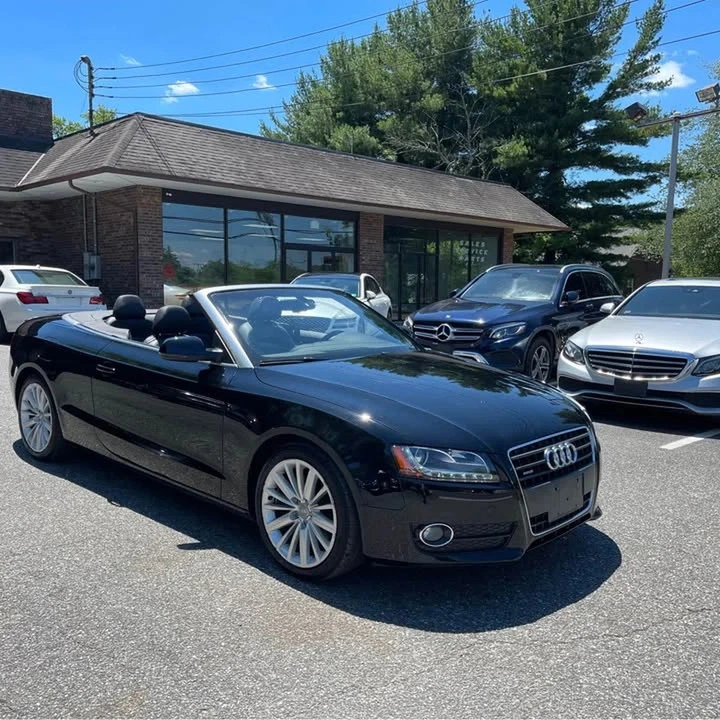
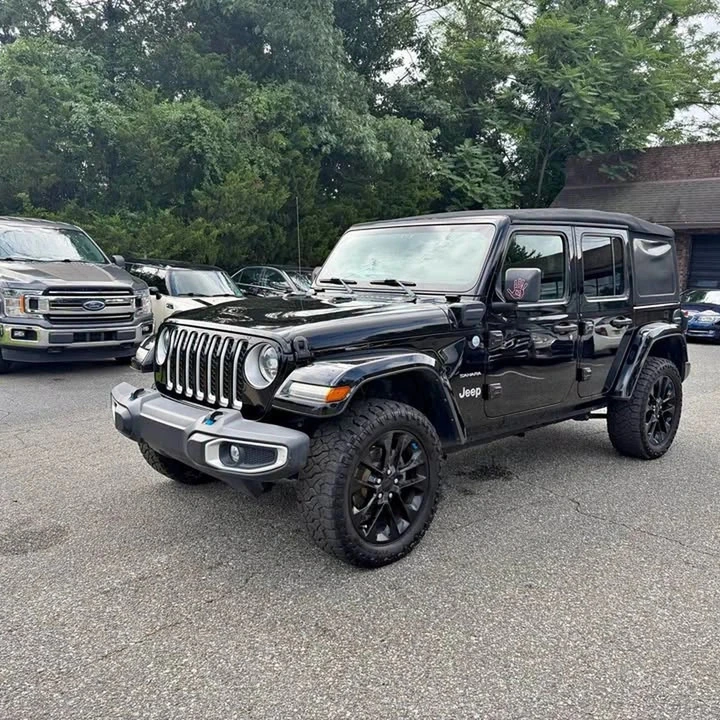
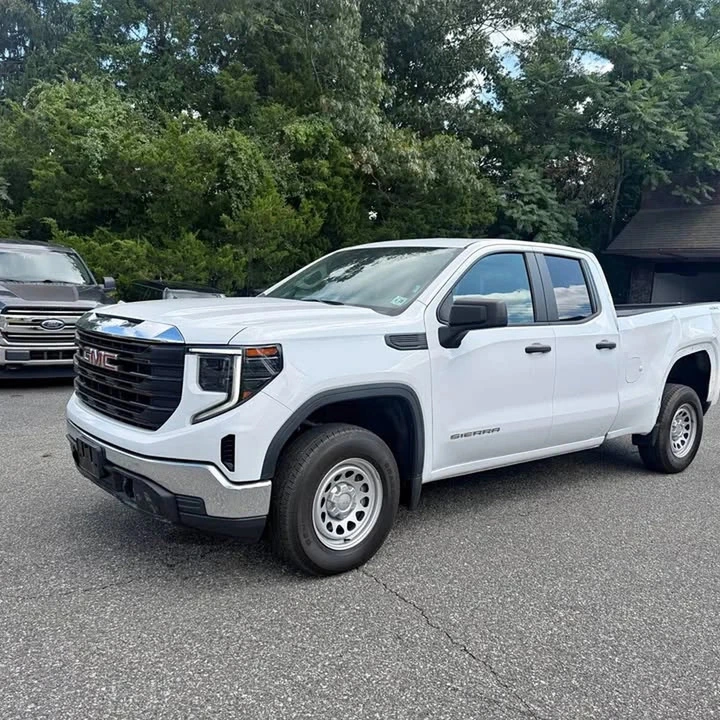
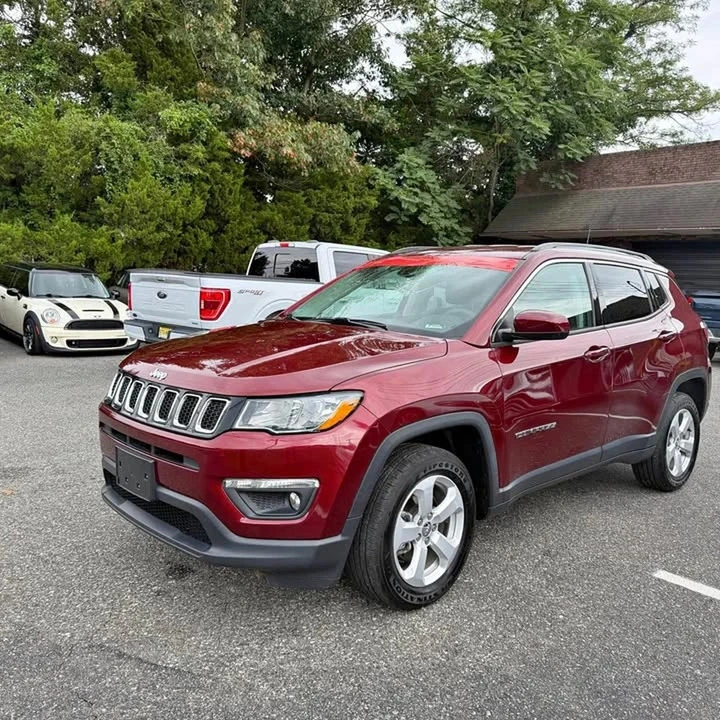




Start with your budget
Think about the purchase price, insurance, taxes and money for maintenance. Set a range you can comfortably afford.
Browse 628 active used cars — tap a filter to narrow your search.
Hot car listings posted minutes ago – check out the latest deals from sellers near you.
Our simple 4-step process makes buying or selling used cars online fast, safe, and hassle-free.
Add your car’s details — make, model, year, mileage, price, and photos. It only takes 2 minutes.
Get real-time messages from buyers nearby. Chat, answer questions, and negotiate your price.
Pick a safe place and time to meet. Always choose public locations and bring your paperwork.
Close the deal confidently — sign, pay, and hand over the keys. Done!
Make smarter decisions with our free tools and resources.
Find your next car
Shopping for a used car? Start with the things that matter to you: your budget, the kind of driving you do, and how far you’re willing to travel. Browse cars from private sellers and dealerships, compare the details, and reach out when one looks right.

A few simple checks can help you narrow down your choices before you leave home.
Think about the purchase price, insurance, taxes and money for maintenance. Set a range you can comfortably afford.
A sedan may be great for commuting; an SUV may work better for cargo or family trips. Make a short list of must-haves.
Check the photos, mileage and seller notes, then ask for the VIN, title details and availability.
There’s more than one good way to find the right car.
| Search goal | Page | What to compare |
|---|---|---|
| Find cars in a state | New Jersey / New York / Pennsylvania categories | Available vehicles, travel, state title rules |
| Shop directly from an owner | Used cars by owner | Ownership, title and condition |
| Compare dealership inventory | Used cars by dealer | Out-the-door amount, warranty and reviews |
| Stay within a budget | Under $5,000 or under $10,000 | Maintenance and total purchase costs |
No matter where you start, compare the actual condition and total cost of each car.
Helpful details to consider as you compare your options.
If you’re searching for used cars for sale in NJ, start with the New Jersey listings and then narrow your search to the part of the state where you can actually inspect a vehicle. Shoppers in South Jersey may also want to compare cars in the Philadelphia area of PA; a short drive can open up more choices, but registration and title rules still depend on where you live. Buyers in North Jersey often compare inventory across Newark, Jersey City, Edison, Elizabeth, Paterson, and nearby New York neighborhoods. A listing’s city shows where the seller is located, not where the car is legally registered.
For used cars for sale in PA, compare Philadelphia-area listings with cars around Allentown, Reading, Lancaster, Harrisburg, and Pittsburgh when the distance makes sense. In NY, inventory can vary between Brooklyn, Queens, the Bronx, Staten Island, Long Island, Buffalo, Rochester, Syracuse, and Albany. These are places to explore using the location filter, not promises that a particular car is in stock today. Ask for availability, the exact address and a recent photo before making a trip.
Cars with clean titles, rebuilt-title used cars, salvage vehicles, and repairable cars are not interchangeable. A clean title generally has no recorded title brand, but it is not a guarantee that the car has never been in an accident. A salvage title usually relates to a significant loss or damage event; state rules determine when the vehicle can be repaired, inspected, titled, registered or driven. A rebuilt or reconstructed title typically means a previously branded vehicle has gone through a required process, although the requirements and terminology differ by state.
“Repairable” describes a seller’s view of the vehicle’s condition, not an official title category. “Flood damage” can be a title brand or a disclosed history item; inspect the actual paperwork. Before paying for any used car, compare the VIN on the windshield, door label and documents; request photos of the title and ask who currently holds it. If a price looks unusually low, check the title status, repair estimate, airbag system, frame or unibody, and insurance options before treating it as a bargain.
Compare the out-the-door price, not just the number at the top of an ad. A $9,500 vehicle that needs $1,500 of immediate tires, brakes and cooling-system repairs is already at $11,000 before sales tax, registration or insurance. That is an example, not a market estimate. Dealers may charge documentation fees or sell optional add-ons; request an itemized quote in writing. Private-party purchases can have fewer seller-added fees but put more responsibility on the buyer to verify the title, payment and transfer paperwork.
Use your driving needs to decide between a used sedan for commuting, an SUV for cargo or family trips, a pickup for work, or a small hatchback for easier parking. Low mileage alone does not make a car reliable: a vehicle that sat unused for years can have old tires, fluids and seals. For any model, compare service history, recalls, inspection results and ownership costs. SetFlip lets you browse cars by owner, dealer, price range and body style before contacting a seller.
Start with five pieces of information: the exact year, make, model and trim; current mileage; VIN; title brand; and what the seller knows about damage or mechanical problems. Look for photos of every side, the interior, dashboard, wheels and any damage. Ask whether the listed price is firm or negotiable, whether the vehicle starts and drives, and whether a lien needs to be paid off. For salvage or rebuilt cars, request repair invoices, before-and-after photographs and an independent estimate if work is unfinished.
Never assume a listing badge replaces a vehicle history report or inspection. Check the VIN through an independent history provider and available government recall resources. A report may miss problems, and a car can have a clean title while still needing major repairs. Arrange a pre-purchase inspection with a mechanic who is not selling the car. Meet in a safe place and confirm a payment method with a clear record of the transaction.
Ask for the actual title and VIN. Vehicle history, repair status, and registration requirements are separate issues.
| Term | What it generally means | What to check before you buy |
|---|---|---|
| Clean title | No qualifying brand shown on the current title; not an accident-free guarantee. | VIN history, ownership, past damage, liens and inspection. |
| Salvage title | Title status connected with a qualifying damage or loss event; state rules apply. | Repair costs, documentation, legal use, registration and insurance. |
| Rebuilt / reconstructed | A vehicle with prior branding that has followed a state process, with names and requirements varying. | Repair quality, inspection records, insurer acceptance and resale considerations. |
| Flood branding / flood history | Flood damage may appear as a title brand or be reported separately in vehicle history. | Electrical systems, corrosion, interior moisture, past repairs and title records. |
| Repairable / damaged | Condition description used in an ad; not itself a legal title category. | Exact damage, independent estimate, transport needs and current title. |
Vehicle title terms and rules differ by state. See the official agency guidance for the state where the vehicle will be registered.
Two cars with the same model year and mileage can be very different once you look at service history, tires, damage and needed repairs.
Ask what is included in the asking price. If you are buying from a dealer, request the full out-the-door amount. If you are buying from an owner, make sure the seller has the paperwork needed to transfer the title.
A few things to know before you contact a seller.
Yes. Start with the used cars for sale by owner section if you prefer to work directly with a private seller. You can also review dealer inventory without making an appointment. Compare price, mileage, location, photos and seller notes first, then contact someone when you have specific questions. An online listing is not proof the car is still available, so confirm before you travel.
Start with the price category that fits your total budget: used cars under $3,000, under $5,000, under $10,000, or another limit. Remember to leave room for tax, title, insurance and repairs. A low asking price can reflect high mileage, needed work, a salvage or rebuilt title, or simply the seller’s asking strategy. Check each vehicle rather than assuming the lowest number is the best deal.
Enter a city or ZIP code in the location search and choose a distance that works for you. If you want used cars for sale in New Jersey, Pennsylvania or New York, you can also begin with the state listings. Search by make, model, price, year, mileage and body type; widen your radius if you are willing to travel. Before visiting, confirm where the car is located and whether it is currently for sale.
SetFlip is a marketplace for used car listings, not a substitute for a vehicle-history provider, a state title record or a mechanical inspection. When a vehicle interests you, request the VIN and original title information. A vehicle-history report can reveal useful events but may not include every repair. Use independent inspection and official recall records when making a purchase decision.
Compare the total price, title status, VIN history, repair needs, seller communication, availability and the condition of the actual car. Ask dealers for the written out-the-door price and Buyers Guide. With a private owner, verify their right to transfer the title. A five-star dealer review does not guarantee that a particular vehicle is mechanically sound, and a zero-review profile should not be interpreted as a bad rating.
Yes. Browse used cars for sale in NJ and then narrow the results to South Jersey, Central Jersey or North Jersey as needed. Buyers commonly compare Vineland, Cherry Hill, Newark, Jersey City, Edison and surrounding areas. You can also search across PA and NY, but confirm how an out-of-state purchase affects taxes, title, registration and your ability to inspect the vehicle.
Open the NJ, PA, or NY state page to compare available listings, then use the location filter to focus on the city or ZIP code that works for you. People commonly shop near Vineland, Newark, Jersey City, Philadelphia, Allentown, Brooklyn and Long Island, but the right search radius depends on your budget and willingness to travel. Contact the seller to confirm location and availability before visiting.
Some listings may describe salvage, rebuilt, flood-damaged or repairable vehicles. Read each listing carefully and ask for the exact title brand, state of issue, VIN and repair records. Do not assume the word “repairable” means a branded title or that a used car without a visible brand has a clean history. Check your state’s registration and insurance rules before committing to a damaged vehicle.
A clean title does not carry a recorded title brand, but it does not guarantee an accident-free car. A rebuilt or reconstructed title generally follows a prior salvage or comparable branding event and a state-defined repair/inspection process. Names and rules differ by jurisdiction. Ask to see the document, check the VIN and have the condition reviewed independently; do not rely on a label or seller description alone.
Private sellers may offer a straightforward purchase, but you need to verify their identity, ownership, lien status and the transfer documents. Dealerships can offer financing or warranty options, but you should request the written out-the-door price and review the FTC Buyers Guide. Either way, make the decision based on the exact vehicle, its condition, and the paperwork—not seller type alone.
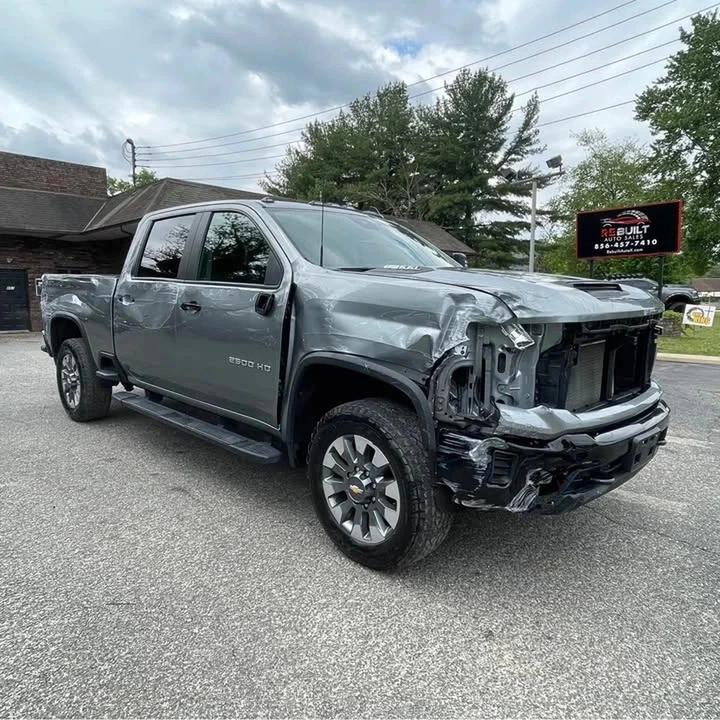
Compare the exact model year, trim, mileage, title status, maintenance history and damage. A salvage-title truck should not be evaluated against clean-title trucks as if all three were in the same condition. Add expected repairs, taxes, fees, travel or shipping and insurance to the asking price. If the seller cannot explain why the price is low, get an inspection before making an offer.
Check photos, prices and mileage, then message the seller to set up the next step.


